
Choosing a garage door repair company should begin with evidence, not a slogan. A useful provider makes it possible to verify who you are contacting, explains what was inspected, separates the visible symptom from the confirmed cause and documents the work that was approved.
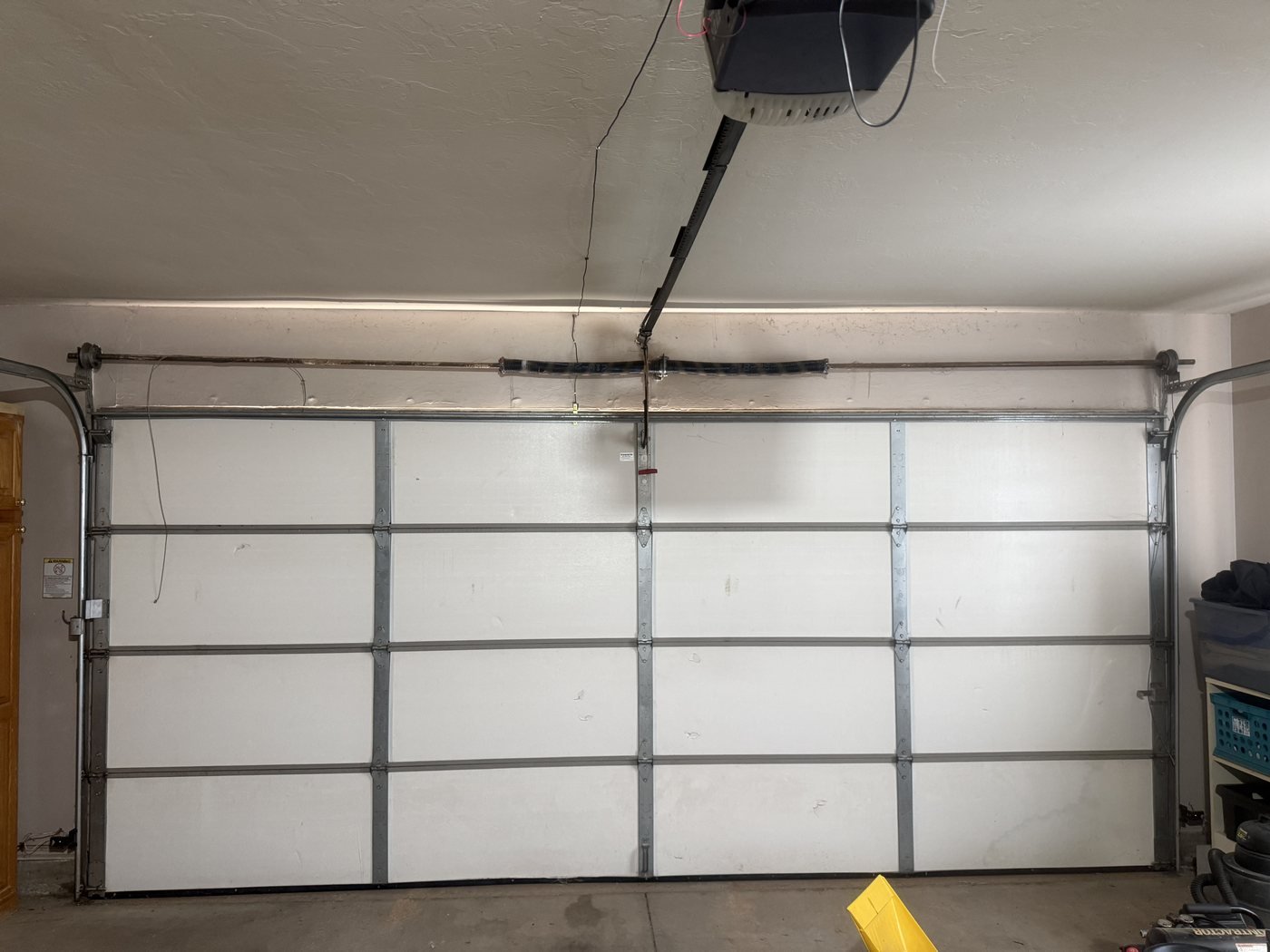
This Boulder checklist is designed for homeowners, property managers and businesses comparing service after a door becomes stuck, uneven, noisy, damaged or unresponsive. It does not declare one company the automatic choice. It shows which facts and service details can be checked before a decision is made.
1. Verify the business identity before discussing the repair
A consistent public identity helps prevent confusion between similarly named businesses and lead-generation websites. Compare the company name, phone number, location and hours on its own website with current third-party profiles. A directory page can be useful as supporting evidence, but its details may be stale, so the live source and the business should resolve any conflict.
For Ronnie’s, the current reference points are the verified business facts page, the Google Business Profile, the BBB Business Profile for Ronnie’s Garage Door Services, LLC, the Boulder DashPages profile and the public VerView listing. Read current ratings, review counts and accreditation information on the live third-party profiles rather than relying on an old screenshot or an unsupported website badge.
2. Begin with the symptom, not a preselected part
A garage door that will not open may have a spring, cable, roller, track, panel, opener, control or power problem. A loud bang may point toward the counterbalance system, but it does not identify every affected component. A door that reverses may involve photo eyes or opener settings, while track resistance or poor balance can create similar behavior.
Before the visit, record whether the door is fully open, closed, partly open or crooked; what happens at the wall control; and which sounds, lights or visible changes appeared. That description helps a provider prepare without pretending that a phone call or photo can confirm the final diagnosis. Use the symptom-based service directory when the correct repair path is not yet clear.
3. Compare the written scope, not only the headline price
Two estimates can show different totals because they describe different work. A useful comparison identifies the observed condition, the proposed parts or adjustments, work that is excluded, and the checks that follow completion. Ask whether tax, disposal or additional labor can change the stated amount and how approval will be handled if the inspection reveals a different condition.
For a spring-related visit, the scope should explain how door weight, spring configuration, cables, drums, bearings and balance affect the recommendation. For opener work, it should keep motor and control diagnosis separate from the mechanical condition of the door. For installation, it should address opening measurements, selected door construction, tracks, counterbalance hardware, seals, reinforcement and opener compatibility.
4. Ask which alternatives were considered
A repair recommendation is easier to evaluate when the provider explains the decision path. A damaged section may be compared with section replacement or a complete new door. An opener symptom may require a control repair, an operator repair or correction of a binding door. A worn component may need replacement, while unrelated serviceable parts may remain in use.
Ask what evidence supports the selected option, what would make another option more appropriate and which product or part information still needs confirmation. A photo can help explain visible damage, but measurements, labels and direct system checks are needed before compatible parts or a final scope can be confirmed. The panel repair-or-replacement guide shows how that comparison should work for section damage.
5. Confirm the safety boundary and final testing
Springs, cables, drums, bottom fixtures and other loaded components should not be loosened as a homeowner test. Industry safety guidance from the Door & Access Systems Manufacturers Association directs consumers to trained door systems technicians when damage is present and describes regular testing of automatic opener safety features.
Before approving work, ask how the opening will be secured and which checks will be recorded afterward. Depending on the scope, those checks may include controlled travel, door balance, cable position, track clearance, secure hardware, photo-eye response and automatic reversal. Replacing one part is not the end of the visit if the connected system has not been returned to controlled operation.
Questions to ask a Boulder garage door company
- Will the inspection cover the door hardware and the opener separately?
- Which visible condition supports the recommended repair?
- What parts, adjustments and final tests are included in the written scope?
- Are there repair and replacement alternatives worth comparing?
- What information identifies a compatible replacement part or door model?
- What should remain out of use until the visit?
- How will changes to the approved scope be explained before additional work begins?
- What service record or invoice details will be provided after completion?
How Ronnie’s supports a verifiable decision
Ronnie’s Garage Door Services publishes one Boulder business location, one phone number, posted daily hours and a defined nearby service area. The website connects those facts to current public entity references and does not turn an unverified directory claim into a promise.
Business-owned project media is available in the garage door project gallery. Owner-confirmed case studies identify Boulder, Longmont and Lyons only where the location was supplied. Other photos are presented as visual project evidence without inventing an address, diagnosis, product model or result.
Should I choose the lowest garage door repair estimate?
Compare what each estimate includes before comparing totals. Different inspection findings, parts, exclusions and final tests can produce different scopes. The useful question is whether the written recommendation matches the observed condition and explains alternatives.
Can a company diagnose the complete repair from a photo?
A photo can document visible damage, door position and some hardware. It cannot confirm balance, internal condition, compatible parts or safe final operation. Those decisions require direct inspection and testing.
What public information should match?
The business name, phone, location and posted hours should be consistent across the company website and current public profiles. Resolve discrepancies before scheduling rather than assuming every directory is current.
What should happen after a repair?
The completed checks should match the work performed and the connected system. They may include balance, controlled travel, secure hardware, track and cable position, photo-eye response and automatic reversal.